
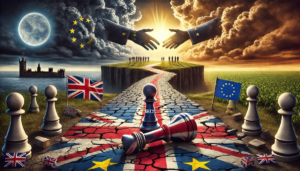
Europe needs to get real on defence; Britain needs to get real on Europe
13 February 2025


Post
10 October 2010

4 minute(s) read
Recent Posts
586. Trump’s Midterms Disaster: What Happens Next?
Why did Trump concede defeat so quickly and pledge to work with Democrats, and what does this mean for the final two years of his presidency, including his influence on the world stage? Was this a cos... Continue4 November 2026
Posted by Alastair Campbell
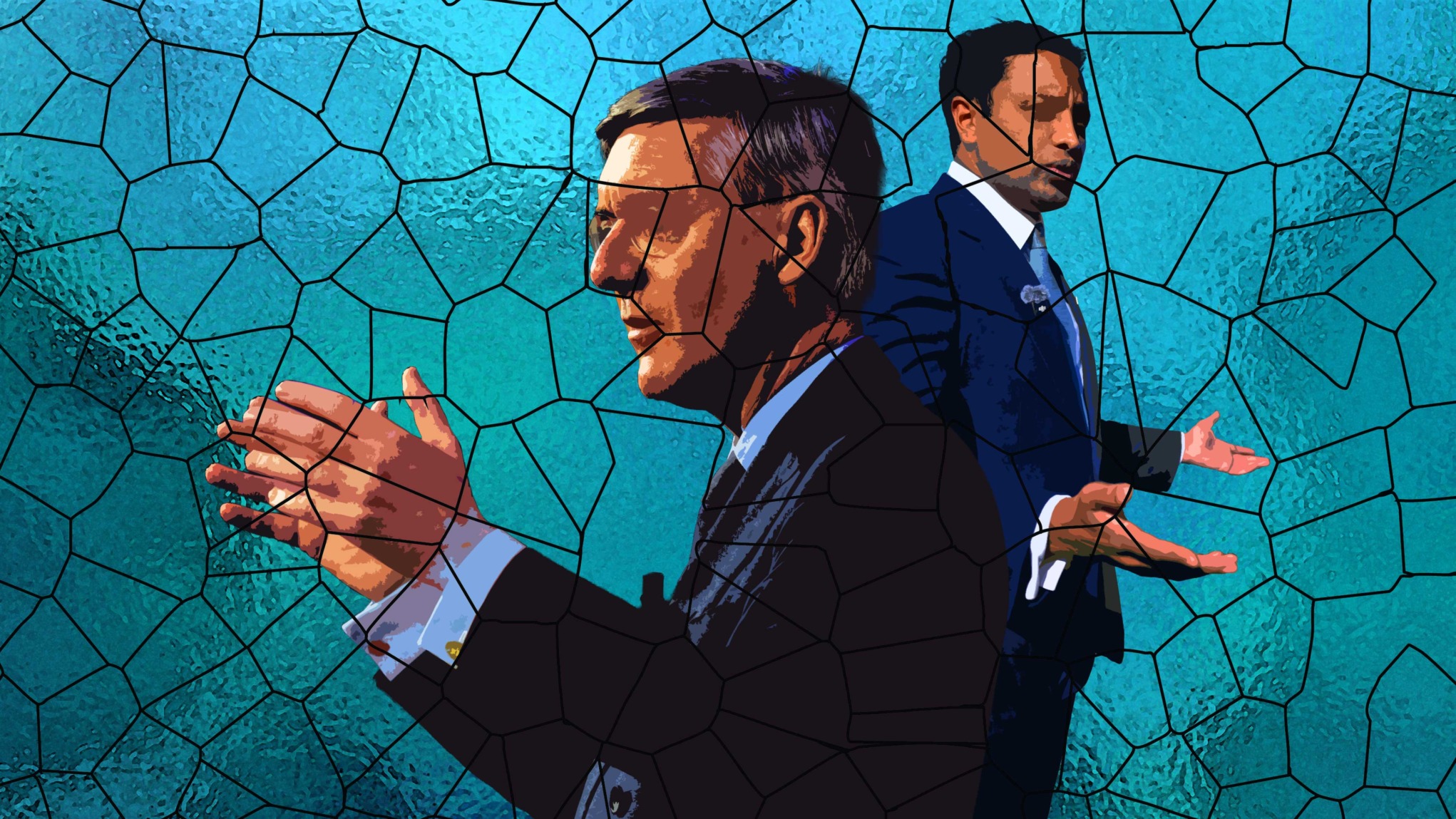
Alastair Campbell’s diary: My biblical battles with Zia Yusuf and Jacob Rees-Mogg
The faithful have long since abandoned the promised land of Brexit – but the false prophets won’t admit it... Continue
4 November 2026
Posted by Alastair Campbell
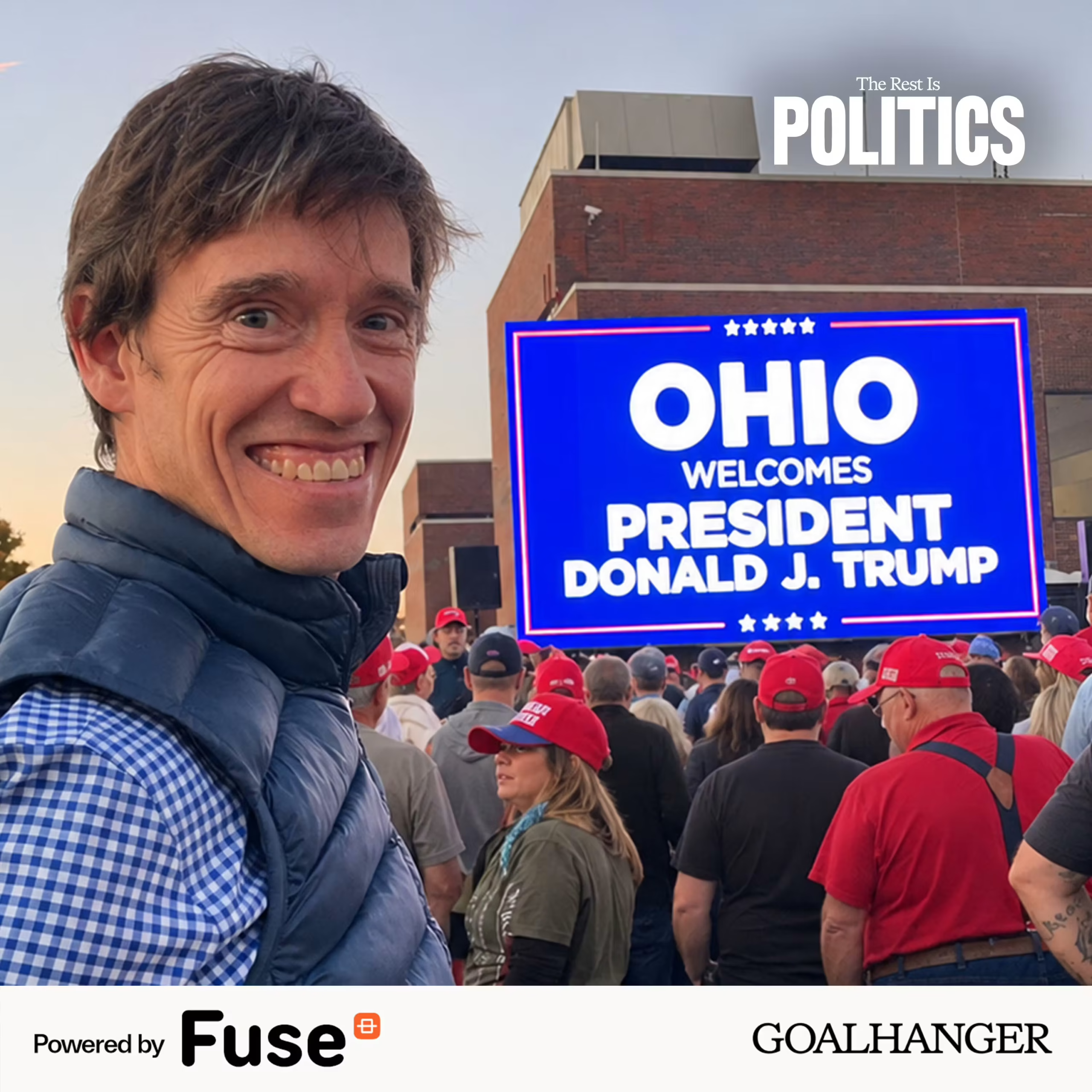
585. Rory Goes to a Trump Rally and Will the Youth Protests Spread to Britain?
What has Rory uncovered on the road through JD Vance country, and how did he feel attending a Trump MAGA rally? What is driving the wave of youth protests sweeping across Europe, and could we see simi... Continue3 November 2026
Posted by Alastair Campbell
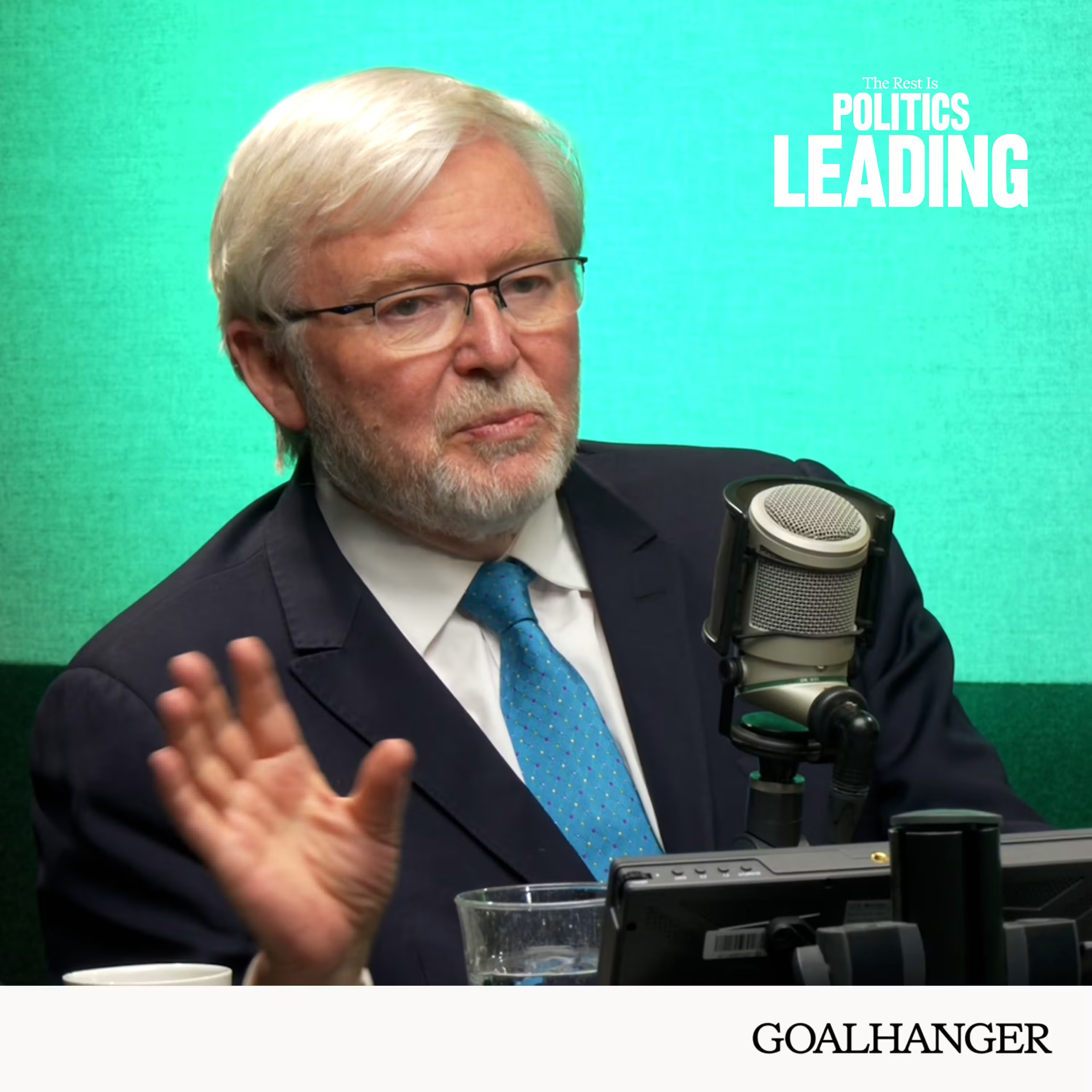
213. China and the USA: The Most Important Relationship In The World? (Kevin Rudd)
What do Xi Jinping and Donald Trump actually want? How much does Beijing back Putin, and could it ever pressure him over Ukraine? How likely is a conflict over Taiwan, and when could it be? Rory and ... Continue2 November 2026
Posted by Alastair Campbell
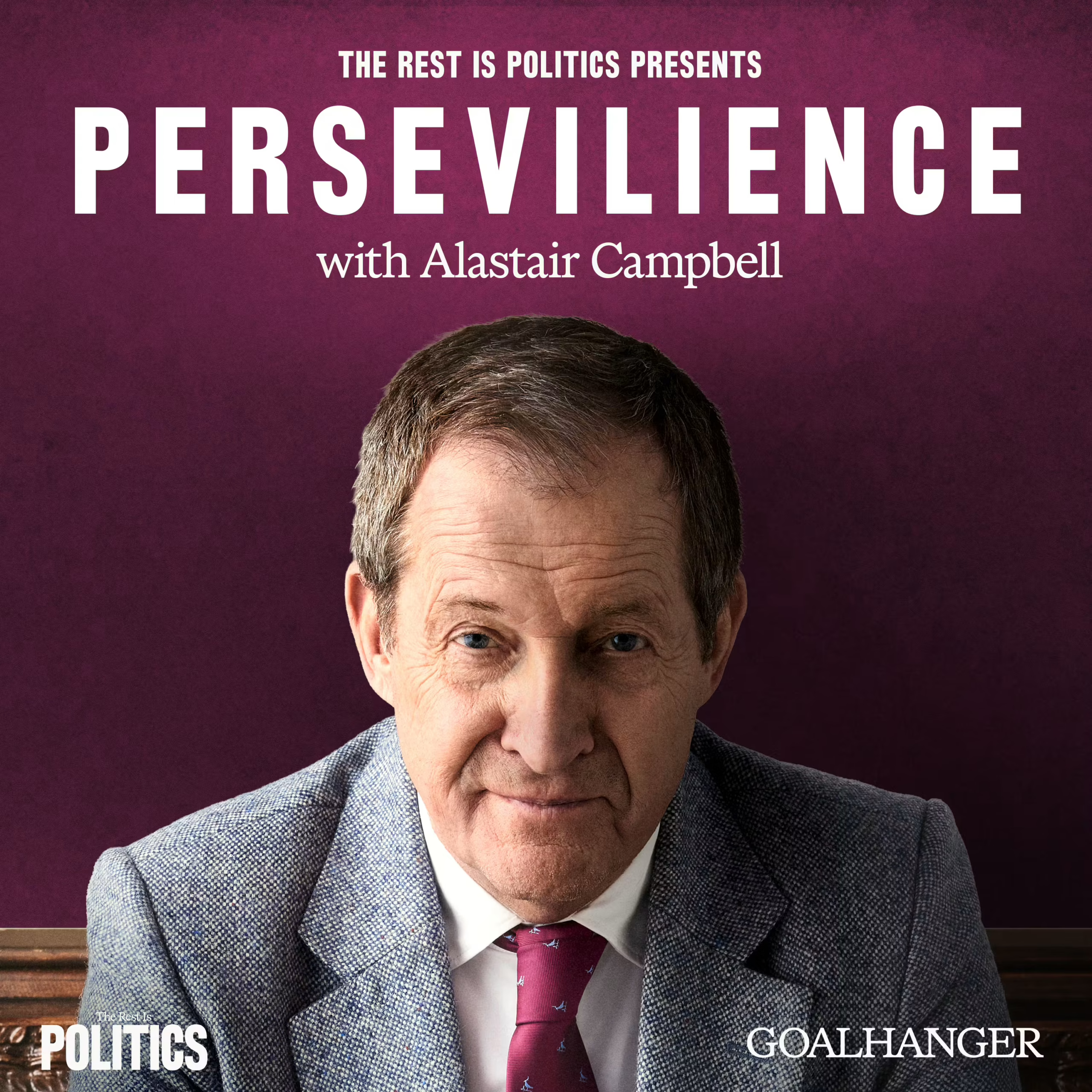
David Blunkett on Blindness, Adversity and Why Politicians Give Up Too Easily
To hear the full episode, and the whole seires, sign up at therestispolitics.com This week, Alastair sits down with someone who – in his opinion – is the most persevilient person in politics, Sir... Continue31 October 2026
Posted by Alastair Campbell
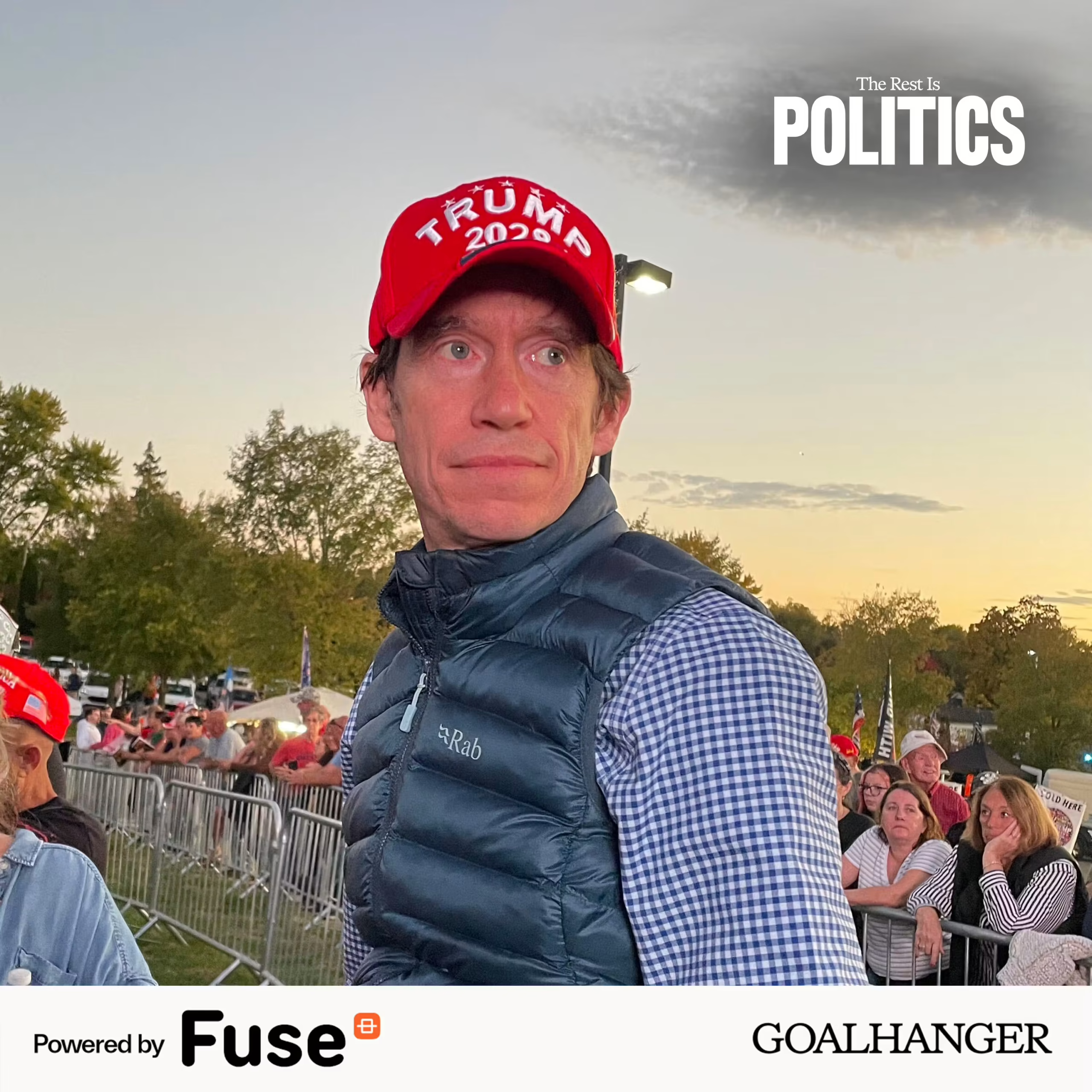
584. Why Is Trump Losing Voters and Will Texas Turn Blue?
Why are these US midterms so important, and what has Rory been seeing on the ground in Ohio? Could the Democrats really flip Texas, and is Trump alienating the Hispanic voters that were crucial to his... Continue30 October 2026
Posted by Alastair Campbell
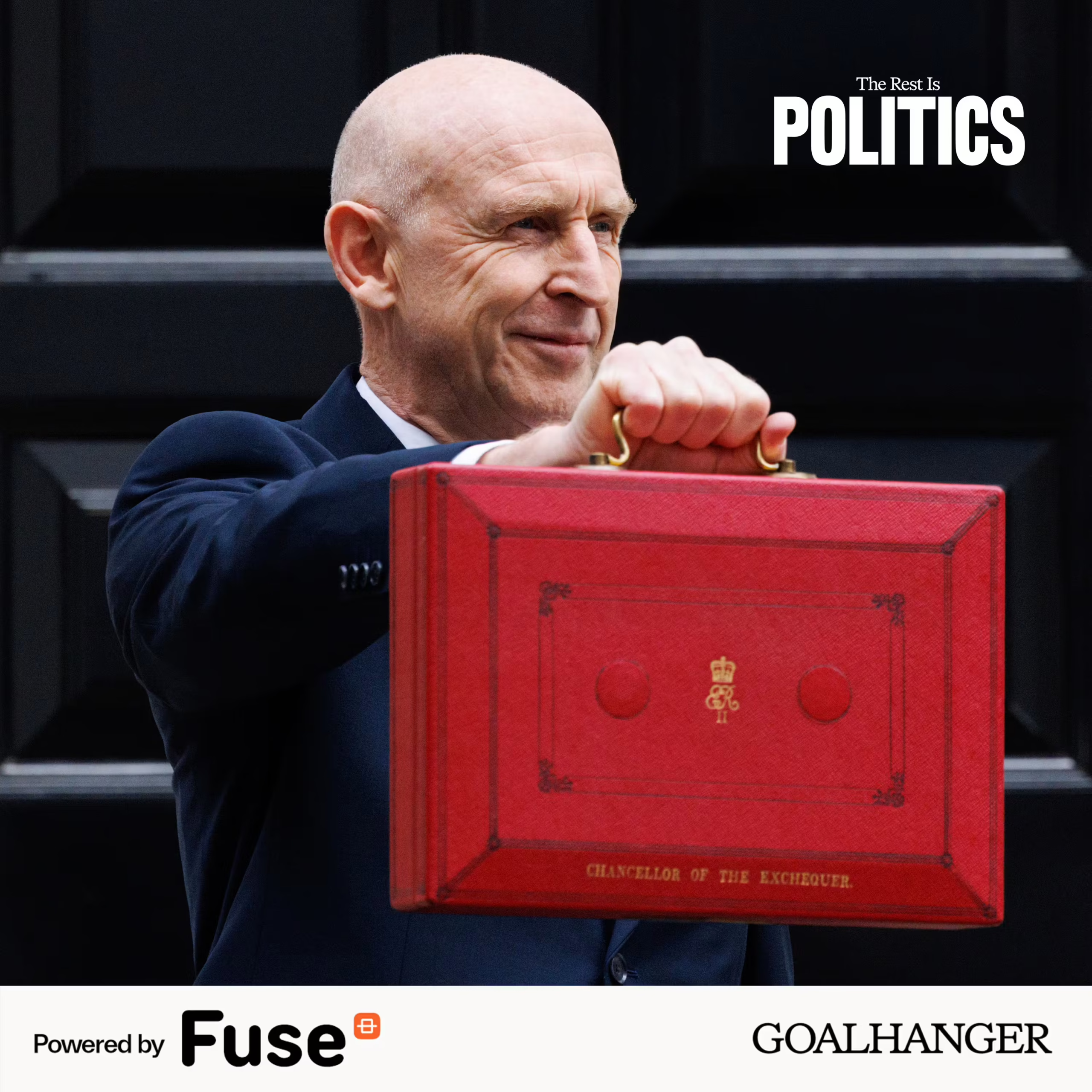
583. Is Burnham’s Budget Too Safe and How Brazil Defied Trump
With the UK’s new Chancellor, John Healey, announcing his first budget and Kemi Badenoch asking him, “is that it?”, how will the public judge his plans? With Lula making an historic return to Br... Continue28 October 2026
Posted by Alastair Campbell
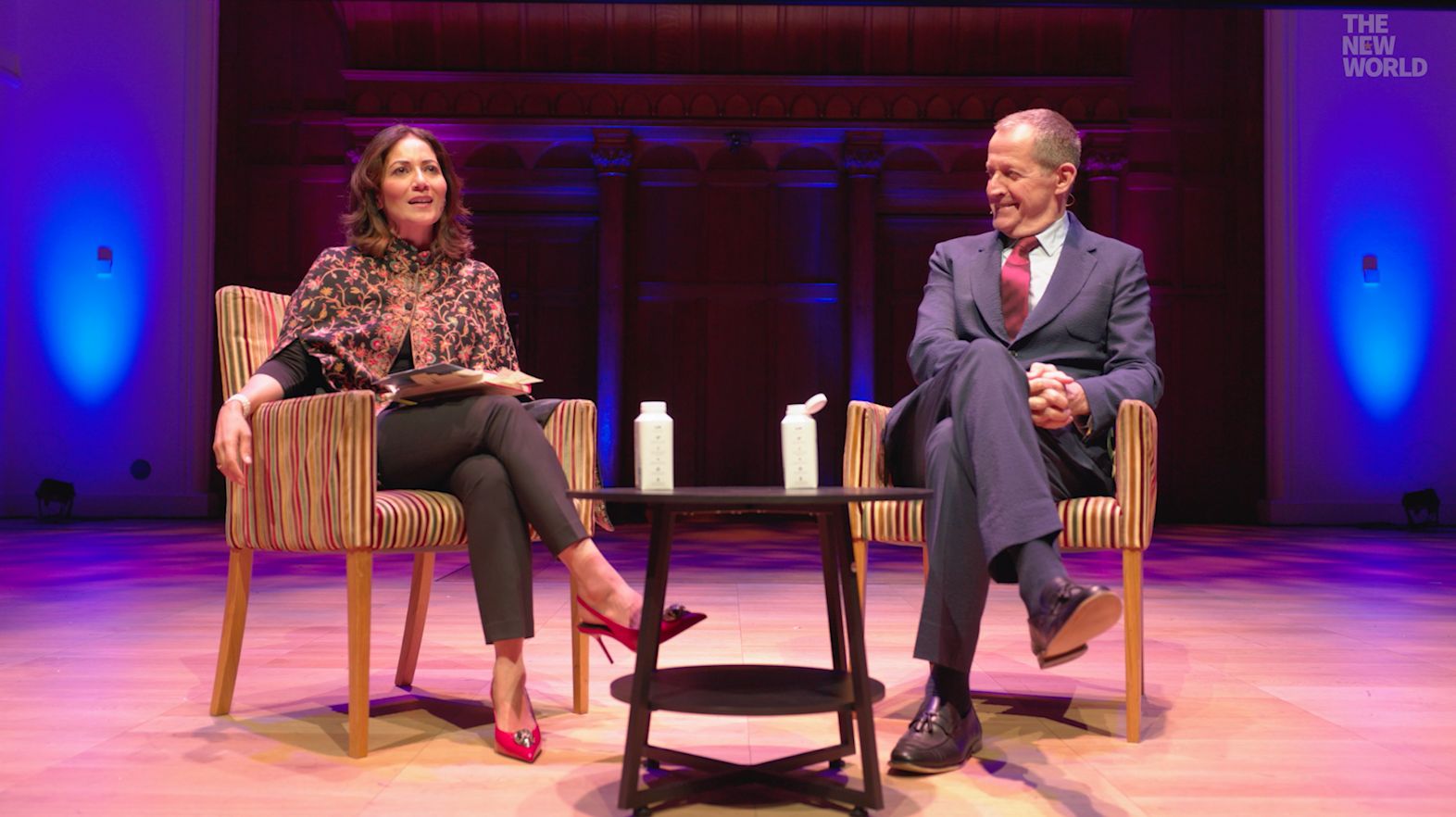
Watch! Alastair Campbell and Mishal Husain live at Cadogan Hall to discuss new book Persevilience
Listen back to our evening with broadcaster Mishal Husain to discuss my new book, Persevilience... Continue
28 October 2026
Posted by Alastair Campbell


Politicians should expect press scrutiny and tough questions from the media. Media is part of the environment they operate. But recent examples of questions based on speculation built on rumour are over the top.
“Media hyenas” should have respect for elected politicians. They themselves belong to powerful elite which is unelected, and are barely accountable.
The influence of newspapers is not what it used to be. Circulations are declining and papers are losing their hold on readers.
But newspapers can and do still shape public opinion with their coverage. But there is little evidence that they dicate how people vote.
When the Sun switched to the Tories, Alastair Campbell said that the news was “far from devastating”. The Sun has less political impact than it believes.
The power of newspapers over voters is smaller these days, but they still hold power over politicians. Gordon Brown was afraid of the Mail, and Tony Blair of the Murdoch empire. And the next day´s headlines are never far from the minds of ministers.
If politicians want public respect, they must stop kneeling to the media. Now they look weak and unprincipled. The coalition should not do political favours to the Murdoch empire in return for its support.
The media has as much power and influence as elected politicians allow. It is time for someone to stand up to media´s might.
“The media has as much power and influence as elected politicians allow. It is time for someone to stand up to media´s might.”
I don’t think this is quite true. Unfortunately the media, in my view, has too much power and politicians are unsurprisingly anxious to have positive reporting. For obvious reasons. However what frustrates me is not that politicians are losing the fight against newspapers on issues, it’s the unwillingness to have the fight in the first place. Asylum/immigration is one such area in which parts have the media have been allowed to vocalise downright lies and constantly demand tougher and tougher policies.
Olli, ordinary people are now coming together to stand up to the media’s might. Thanks to the internet and Twitter, we now have a way to do this.
DemocracyFail is campaigning for a change in the rules governing media ownership and it’s growing fast. It can be followed on Twitter or through its blog: http://democracyfail.wordpress.com
(Again, Alastair, will perfectly understand if you moderate out this comment.)
Libby Purves often talks about gay rights.
Libby (liberal) pervs often talk about gay rights.
Sorry, couldn’t resist, but is this a conspiracy or what? How did she get that name?
Harlem did good. what the idiot (Tory) in the audience actually said was something more along the lines of ‘set up your own company’ or words to that effect. I really enjoyed your session and hope you are feeling less knackered, Emma
I would love to believe that the media didn’t influence voter opinion but I don’t think it’s true. Internet blogs, Twitter and Facebook are certainly a step in the right direction but political argument can only reach those who look for it. Newspapers and TV outlets, reach millions of relatively apolitical voters instantly and simplistic arguments hit home very easily if alternative points are not presented at the same time.
I support DemocracyFail’s objectives but think we need to go further. As well as controls over ownership, the behaviour of journalists needs to be regulated far more, as clearly the self censorship model doesn’t work, evidenced by the Coulson/phone hacking scandal. Perhaps it should be illegal for the media to publish the contents of a private conversation, for example, unless it reveals some criminal or seriously exploitative behaviour. Maybe clear standards could be set by an independent body, for journalists/editors to observe, with regular judgements published for all to see. What happens in other countries? I don’t think gutter journalism is a problem everywhere.
I feel some in the media are undermining our democracy in a dangerous way. That’s not to say that elected politicians shouldn’t face tough questioning from the press, but I agree with Olli that too often it goes over the top. Frequently it’s clear that journalists (and editorial teams) merely want to embarrass or demean politicians rather than challenge them, legitimately, on policy. It sometimes seems there is a power struggle going on, sort of a ‘who speaks for the people’ tussle. If journalists belittle elected representatives, they believe it enhances their own influence over voter opinion. And sadly, I think it does. How many people didn’t bother to vote in the election citing ‘they’re all the same’ as a reason? The media have done much to create this impression and it is time to fight back, but I think we have to do more than just ignore them.
[…] students made to a thousand people at the Cheltenham Festival on Saturday, the subject of yesterday’s blog. I wanted to share with you the email which just came to my website from someone called Justin, who […]